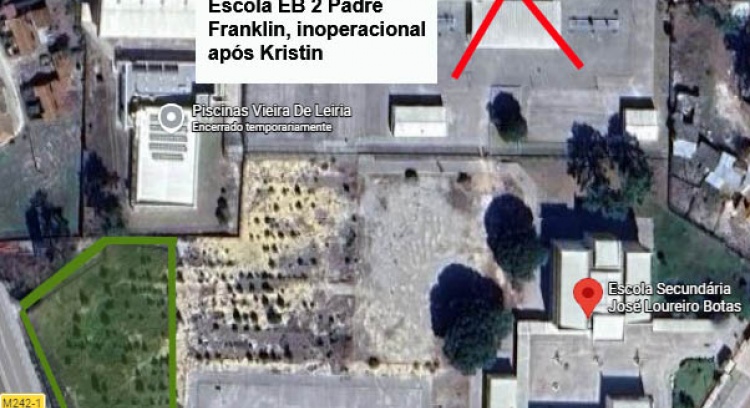
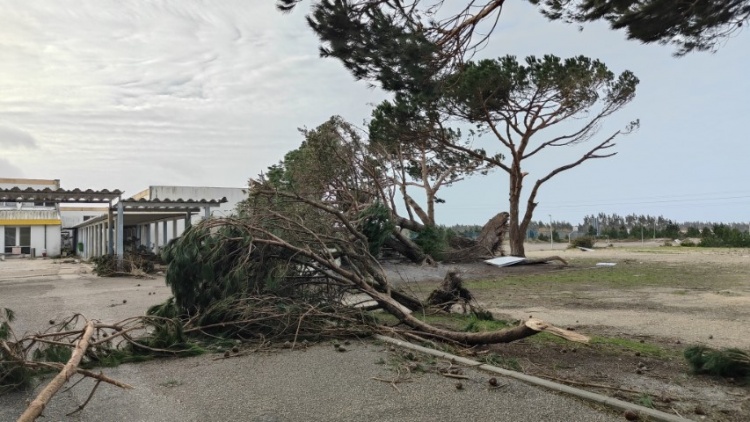
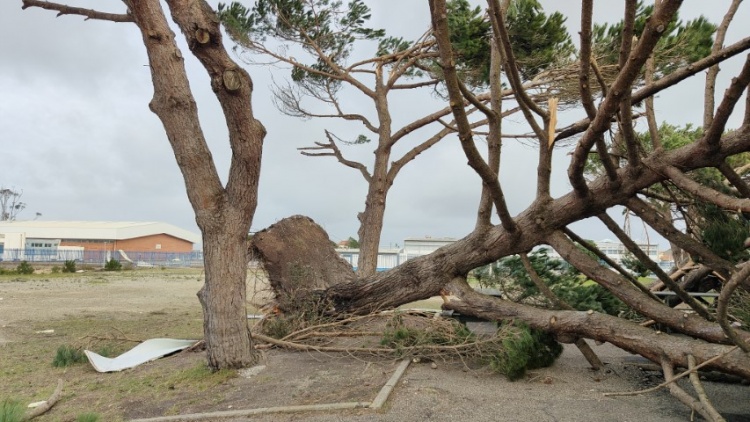
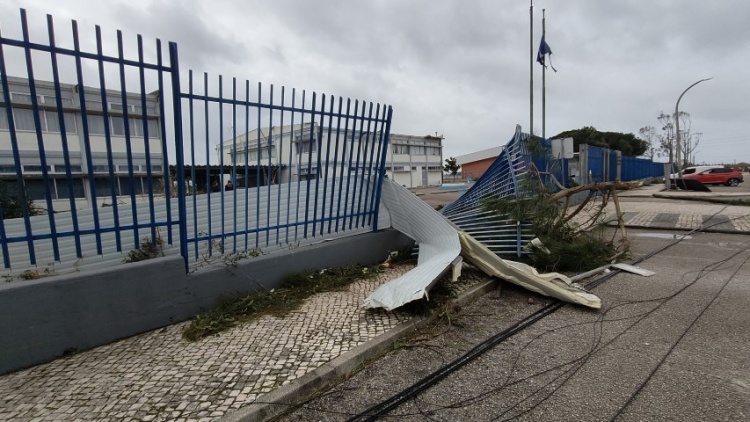
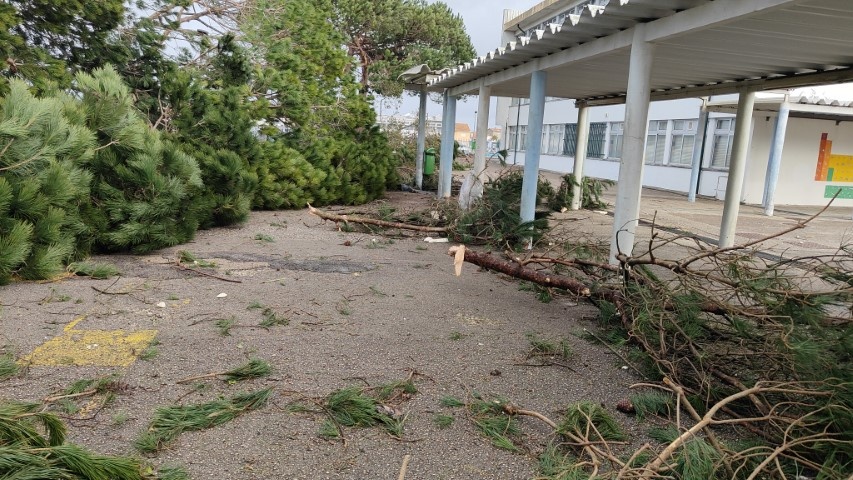
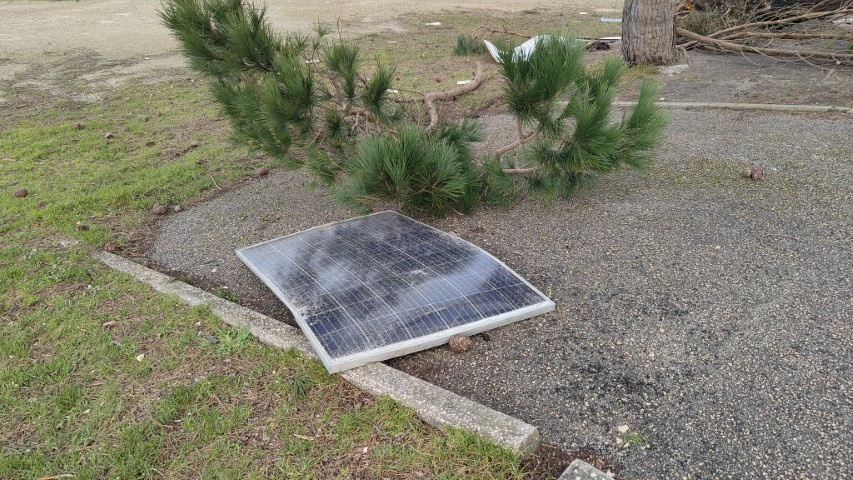
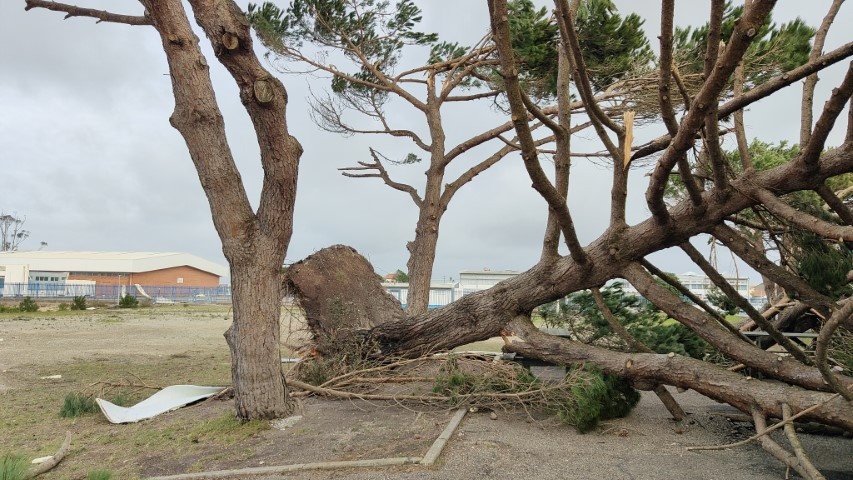
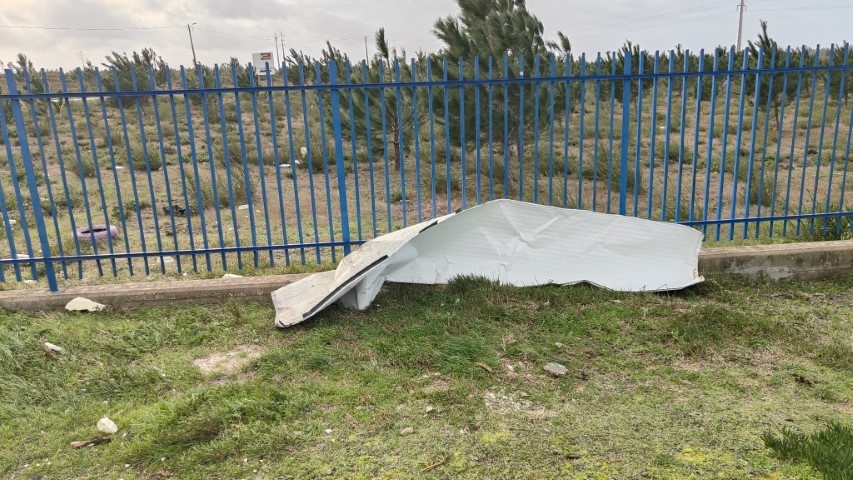
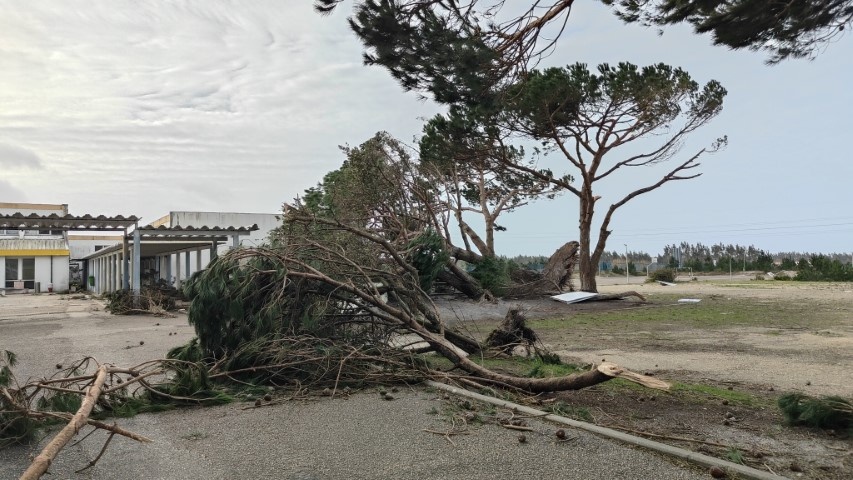
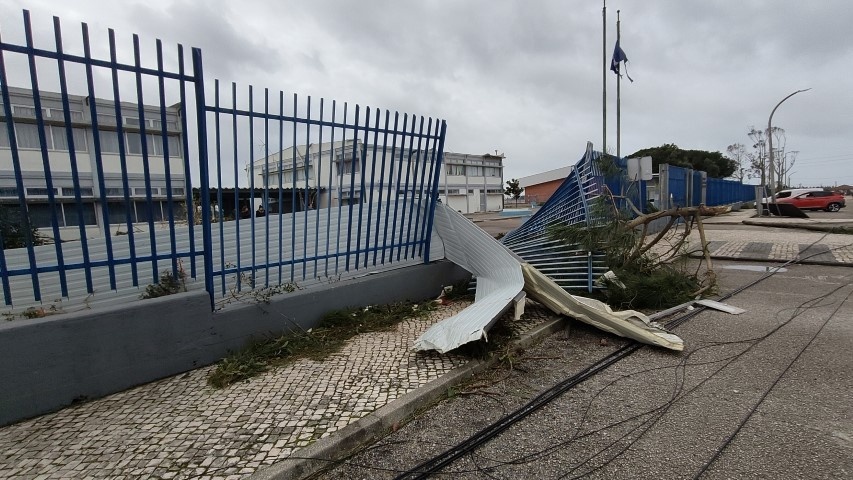
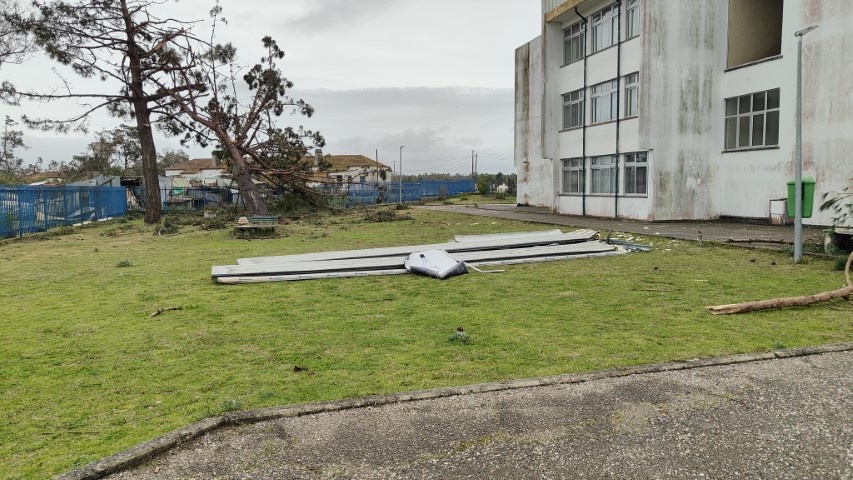
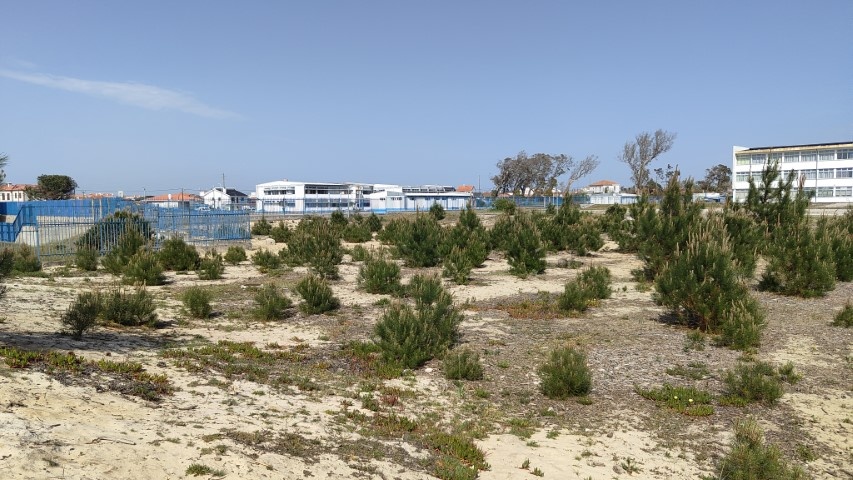
The AEVL Microforest will regenerate degraded areas following Storm Kristin, creating a living laboratory for learning, biodiversity, and environmental citizenship, involving schools, families, and partners in a sustainable and educational project.
The campaign aims to support the creation of a Microforest at the José Loureiro Botas Secondary School , regenerating an area affected by Storm Kristin and converting it into a Living Learning Laboratory . This project will recover degraded natural space, increase biodiversity with native species, and create an innovative educational environment where students can learn outdoors, conduct research, and develop scientific, artistic, and environmental skills.
The campaign involves the entire community: students, families, teachers, local authorities, environmental organizations, and partners such as the Aga Khan Foundation. The goal is to transform a destroyed space into a symbol of resilience, sustainability, and active citizenship, promoting ecological practices and contributing to the Sustainable Development Goals.
About the author
The Vieira de Leiria School Group (AEVL) is a public educational institution that covers the entire parish of Vieira de Leiria, also receiving students from nearby areas such as Carvide, Monte Real and Monte Redondo. Located between the sea, the dunes and the Leiria National Forest, the AEVL has an identity deeply linked to the environment and natural ecosystems of the region.
The school cluster integrates pre-school, primary, middle, and high school education, ensuring a continuous and coherent educational path for the entire school community. Composed of various establishments—from kindergartens to primary and secondary schools—it stands out for its innovative pedagogical vision, centered on the student and their holistic development, in collaboration with families, partners, and the local community.
Recognized by the External Evaluation of Schools with ratings of "Very Good" in Self-Assessment and in Leadership and Management, and "Good" in Results, AEVL demonstrates consistent practices and high educational quality.
The school group has a strong culture of sustainability and environmental citizenship, expressed through active participation in programs such as Eco-Schools , Blue School , and Erasmus+ , the promotion of environmental clubs, and continuous involvement in conservation and ecological literacy projects. This ecological and community identity makes AEVL a solid, experienced promoter, deeply aligned with environmental regeneration and pedagogical innovation initiatives, such as the creation of educational microforests.
Budget and due dates
The total estimated cost for implementing the Microforest is €10,700 , distributed as follows:
| Step |
Description |
Value |
|---|
| 1 |
Specialized technical consulting |
700 € |
|---|
| 2 |
Information, training and capacity building for teaching and non-teaching staff. |
750 € |
|---|
| 3 |
Land preparation, equipment acquisition, irrigation system and planting. |
8,500 € |
|---|
| 4 |
Initial maintenance and follow-up |
750 € |
|---|
| Grand total |
|
10,700 € |
|---|
The schedule is based on the four operational phases defined in the document.
Stage 1 – Building the Dream (Month 1)
- Mobilization of the educational community.
- Co-creating the project vision.
- Partner involvement from the initial phase.
Stage 2 – Our Microforest (Months 1–2)
- Soil analysis and ecological survey.
- Selection of native species.
- Definition of the ecological design with technical support from the Parish Council, the City Council, and environmental entities.
Stage 3 – Implementation and Planting (Months 3–4)
- Soil preparation (compost, biomass, fertility improvement).
- Installation of a temporary irrigation system.
- Dense and diverse plantation.
Stage 4 – Monitoring and Sustainability (Months 5–36)
(24–36 months after planting)
- Continuous monitoring (humidity, weeds, survival rate).
- Replace plants whenever necessary.
- Educational, scientific and community activities, including the "Forest Festival".
Images
Documents