Leiria needs to recover, but also to become better prepared. This project creates a resilience hub with applied diagnostics, clear challenges, and technological solutions implemented in assets for collective use.
The Leiria Resilience Program 2026 presents itself as a structured response to the vulnerability exposed by Storm Kristin, which paralyzed essential routines and supply chains. This plan replaces simple damage repair with a modernization strategy based on crisis anticipation and the robustness of the region's critical infrastructure.
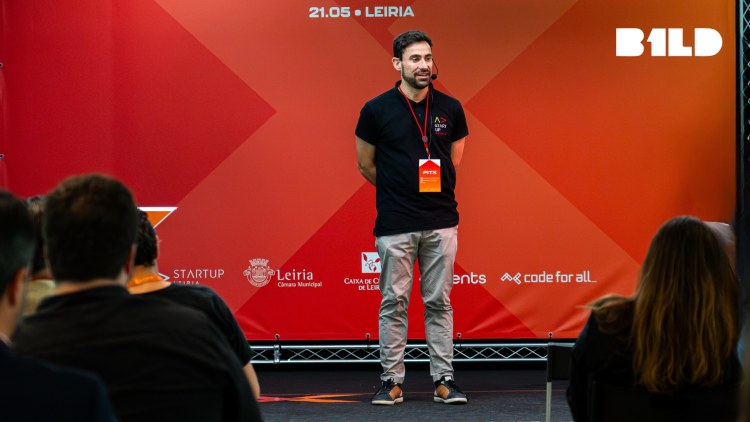
The operational path begins with a public Summit and working groups that bring together decision-makers and technicians to establish clear and achievable priorities. This strategic alignment phase culminates in the publication of the Strategic Development Avenues report, which defines the specific challenges and success criteria for interventions on the ground.
The next commitment focuses on the installation of a functional resilience center that equips the territory with digital tools for asset inventory and georeferenced monitoring of sensitive points in real time. This is not about producing academic literature or shelved reports, but about putting into operation an operational system capable of guaranteeing the continuity of basic services in collective facilities during extreme events.
The final phase of the program opens the door to applied innovation through proof-of-concept projects and technological solutions tested in a real-world environment with rigorous performance metrics. The funding model follows a milestone-based delivery logic where the release of funds depends strictly on the presentation of reports and proof of execution.
This structure ensures that every euro invested translates into installed capacity and tangible benefits for community safety. Transparency is ensured through constant communication that allows citizens and investors to monitor the progress of the work and the validation of evidence in each budget item.
By strengthening coordination between entities and reducing operational blindness, Leiria prepares for the coming winter with a smarter and more resilient infrastructure. This project transforms the memory of destruction into an opportunity to lead the digital and environmental transition in the context of territorial risk management.
Phased implementation allows solutions to be scalable as results are validated, ensuring rigorous management of public and private resources.
About the author
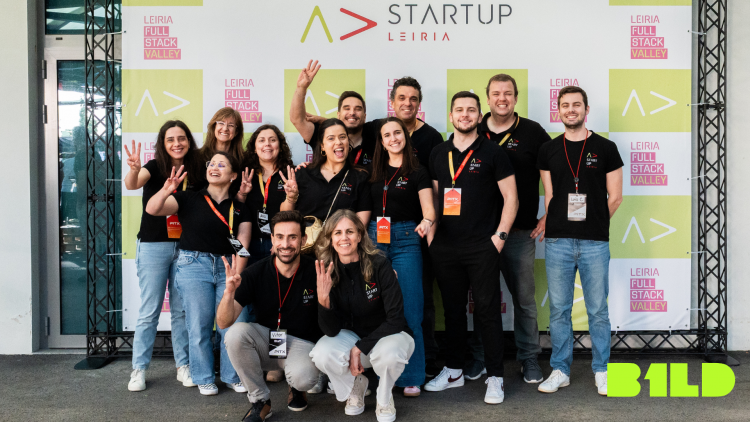
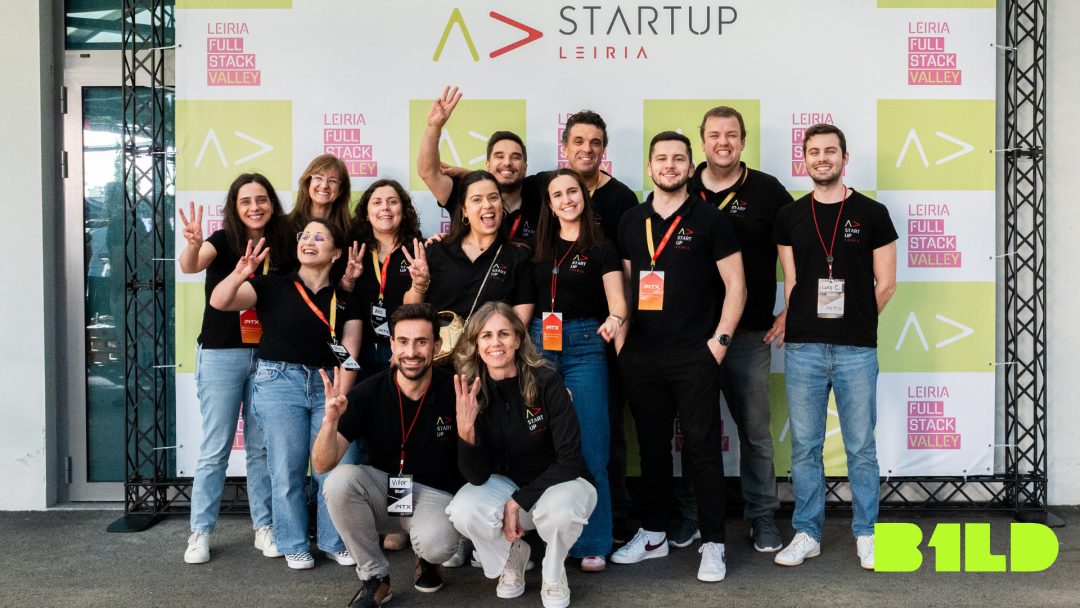
Startup Leiria is an association that drives the innovation and entrepreneurship ecosystem in the Leiria region, functioning as an incubator and accelerator with a strong local presence while remaining connected to national and international networks. Based in the former Leiria Municipal Market, it works with structured pre-incubation, incubation, and acceleration programs, supporting entrepreneurs from idea validation to growth and internationalization.
The ecosystem's size is now significant. Startup Leiria has over 180 incubated companies , around 70 with a physical presence and the rest operating digitally, positioning it among the most dynamic innovation hubs in the country.
This dynamism has gained external recognition. In StartupBlink 's Global Startup Ecosystem Index , Leiria was identified as the 3rd largest national ecosystem and ranks 450th globally , reflecting the consolidation of the territory as a relevant hub outside the Lisbon-Porto axis.
Meanwhile, Startup Leiria was highlighted in the Financial Times ' Europe's Leading Start-up Hubs 2026 ranking, placing it 67th among the European hubs analyzed, which reinforces the maturity of the support provided to founders and startups.
The ability to generate traction on the ground is visible in concrete cases within the ecosystem, with over 57 million euros raised by startups within the ecosystem and more than 1100 jobs created.
Within the scope of this campaign, Startup Leiria assumes the role of promoter and management unit of the program, ensuring execution, coordination, procurement, technical monitoring, and milestone reporting. Collaboration with the Municipality and local operational entities will ensure the legitimacy of intervention in assets for collective use, as well as the effective adoption of the solutions and protocols implemented.
Budget and due dates
The minimum objective ensures complete and usable deliverables in the field, including the alignment phase and the installation of the operational core.
-
Management and coordination of the program, including planning, procurement, reporting and execution control: €7,500
-
Launch summit (lightweight production, materials and documentary recording): €3,500
-
Working groups (5 sessions), facilitation, synthesis and validation with stakeholders: €4,500
-
"Strategic Development Avenues" report and 3 to 5 challenge briefs ready for implementation: €2,500
-
Digital MVP of the resilience core (configuration and initial operation): €13,500
-
Pilot hardware (sensors/gateways/UPS, as per design validated in phase 1): €12,500
-
Installation, testing, calibration and technical documentation: €5,500
-
Minimum access controls, registration and basic hardening: €2,000
-
Operational training and usage protocols: €1,500
Total: €49,500
If we surpass the minimum objective (additional milestones)
If the campaign exceeds the minimum target, the additional investment will be applied to expanding and strengthening the system, increasing monitored points, reinforcing redundancy in more locations, and enabling proof-of-concept projects with startups on the ground.
Scheduling (6 months)
Weeks 1–2: preparation, partner mobilization, and design of working groups.
Week 3: Public launch summit.
Weeks 3–5: work tables by vertical, consolidation and validation.
Week 6: "Avenues..." report and publication of challenges.
Weeks 7–12: MVP in operation and minimum pilot installation.
Weeks 13–26: stabilization, additional training, evaluation, and continuity/scaling plan (and, if there are additional milestones, implementation of extended pilots and PoCs).
Images
Documents