With the value of 1500 euros we want to sterilize 100 stray cats in the district of Coimbra, through the TNR program (trap, neuter and return), promoted by our association since...
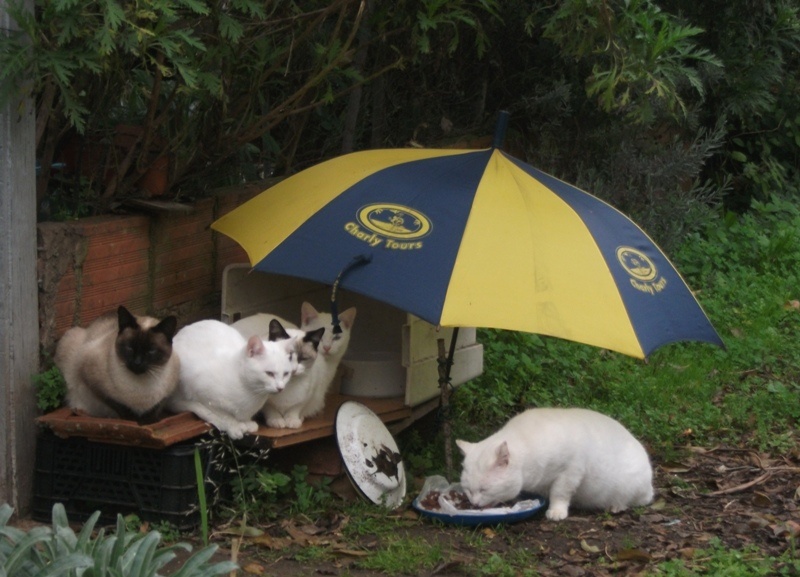
With the value of 1500 euros we want to sterilize 100 stray cats in the district of Coimbra, through the TNR program (trap, neuter and return), promoted by our association since it was founded, but for which we need donations to continue.
The purpose is to humanely and efficiently control the reproduction of stray cats through sterilization. So we avoid the birth of more kittens brought into a life of suffering, abandonment and death.
This also improves the health conditions of the community, reduces accidents caused by overpopulation of wild felines, as well as public spending, arising from attempts to control it.
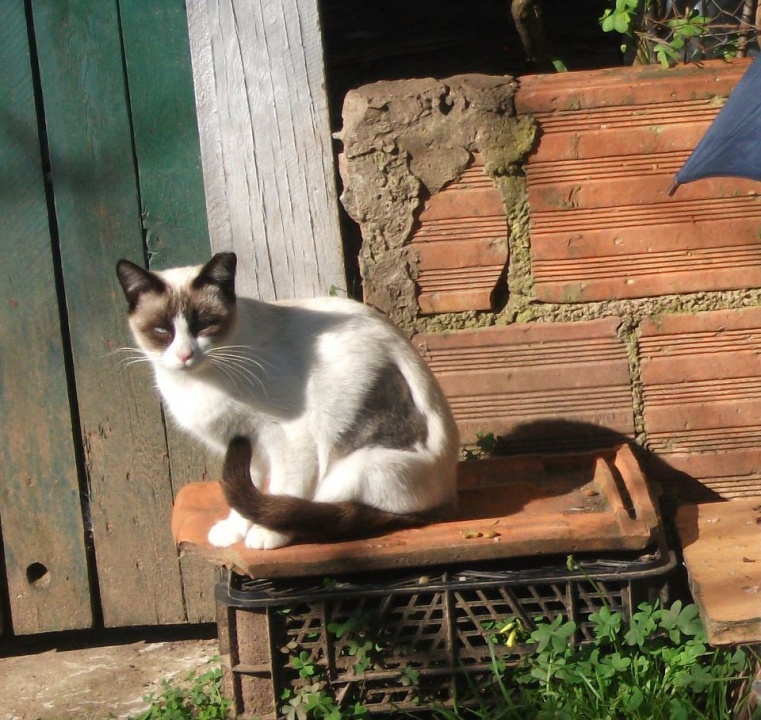
TNR is a humane and effective method of controlling colonies of cats and of reducing wild cat population. The process involves capturing a colony of cats, its sterilization, a small cut in the left ear for identification purposes, deworming and finally returning the animal back to its home territory. A carer provides food and shelter for the returned cats, monitors the colony in search of new elements and mediates conflicts that may arise between cats and the community.
About the author
ARPA (Humanitarian Association for the Reduction of Overpopulation and Pet Abandonment) works towards the day where no born puppy or kitten will be considered an unwanted surplus, this is ARPA’s mission –, founded in February 2011 by a veterinary duo who defends medical sterilization as the primary method for population control of cats and dogs and who are worried about the lack of information and access for most owners.
Aimed at needy dog and cat owners, ARPA offers the possibility of neutering pets at symbolic prices ranging from 20 euros for a male cat, and 70 euros for a female large dog .
We also perform sterilizations of stray cats, under the TNR program: Trap, Neuter and Return, since most kittens for adoption and slaughter in municipal kennels come from are from these street animals, either feral or lost / abandoned.
In Portugal it is estimated that 100,000 pets are put to sleep in municipal kennels
every year. The elimination of the overpopulation is of the utmost importance. The policy adopted by the municipalities is clearly inefficient and ineffective and often inhumane. It is a fact that a bitch and its descendants can produce 73,000 puppies and a queen 240,000 kittens in six years.
The most effective measure to reduce the overpopulation of dogs and cats is the
humanitarian program of contraception. This program involves neutering campaigns for
free or low cost. These practices have been widely introduced in other countries with great
success. However, in Portugal, implementations of these programs are rare, even with a law in place since 2003, which clearly states the responsibility of local authorities for the implementation of reproductive control methods.
How to access the campaigns?
To access the campaign, which is held on Sundays in Vila Nova de Poiares, the owners/carers of the animals will have to send by email or mail the completed registration form along with the required documents they may request a form by phone or email).They will then be contacted by a member of ARPA, which will schedule an interview and then if they fulfil the requirements, the date of the surgery will be scheduled.
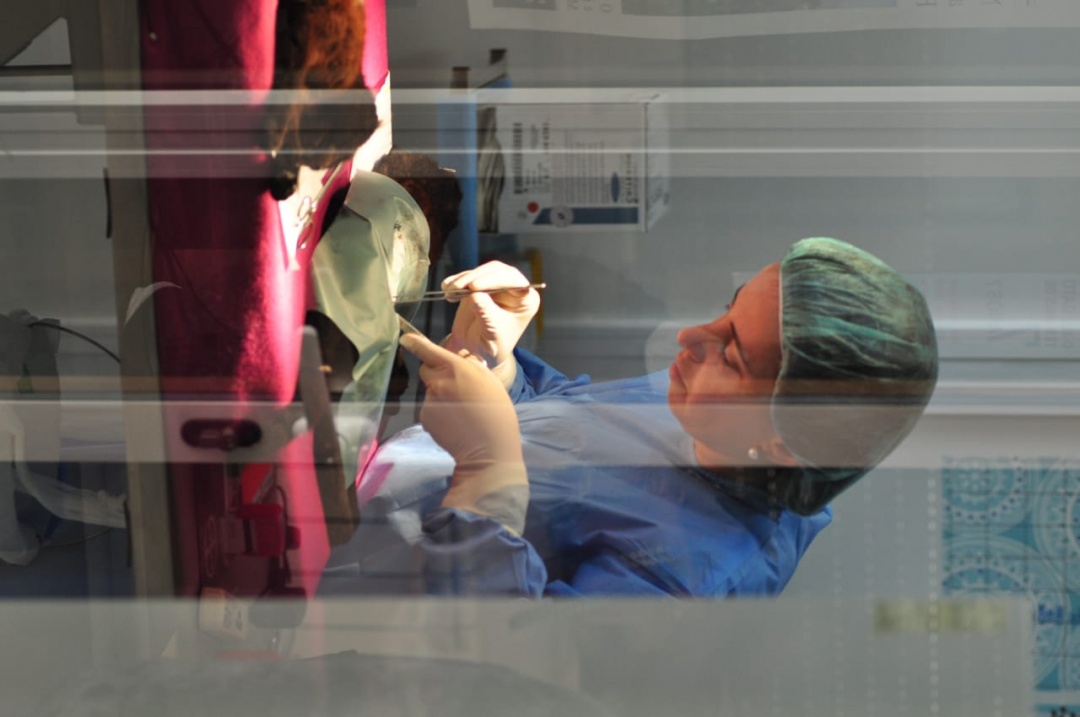
Males will have their testicles removed and females their uterus and ovaries, with a recent and minimally invasive technique, with a suture from 0.2 to 2 cm, which does not require collar, removing points or postoperative medication. Each animal will also be identified with microchip and registered on Animal Identification and Registration System (AIRS) aiming to disseminate responsible ownership.
Benefits for neutered cats and dogs:
Sterilized animals have higher quality of life and binding to their owners - these amount to less than 10% animals that are placed in U.S. municipal kennels. The longevity of a neutered male increases around 24% in canines and 36% in felines, whereas for females the average is 20% in canines and 40% in felines.
Besides being good for your pet, without overpopulation thousands of dogs and cats would no longer be killed just because they are considered "a surplus that are of no one’s concern". That would not only save thousands of euros every year to the state coffers, but also drastically reduce cases of abandonment, neglect and mistreatment of animals.
Why holding sterilization campaigns?
Because it is sterilizing that we will end cat and dog overpopulation, which is responsible for the abandonment, abuse, and death of so many animals. Market rules apply to animals, which means the more animals we have , the less we value them. If there were fewer animals, we believe they would be valued and cared for and that cases of abandonment and slaughter in kennels would be rare.
The main cause of death in dogs and cats is euthanasia. Why so many? Because for each child that is born, there are15 puppies and 45 kittens.