Educational Glamping: Xávega Art and Avieira Culture
Reconstruir a Região Centro Juntos!

Educational Glamping: Xávega Art and Avieira Culture

An outdoor educational project that transforms the traditional fishing technique known as "Arte Xávega" and the Avieira culture into a living laboratory, promoting exp...

An outdoor educational project that transforms the traditional fishing technique known as "Arte Xávega" and the Avieira culture into a living laboratory, promoting experiential learning, local identity, and environmental awareness, aligned with the Sustainable Development Goals (SDGs) and open to the community.

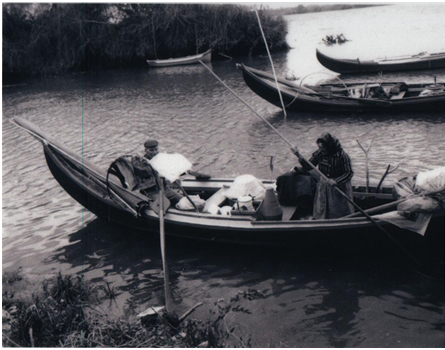
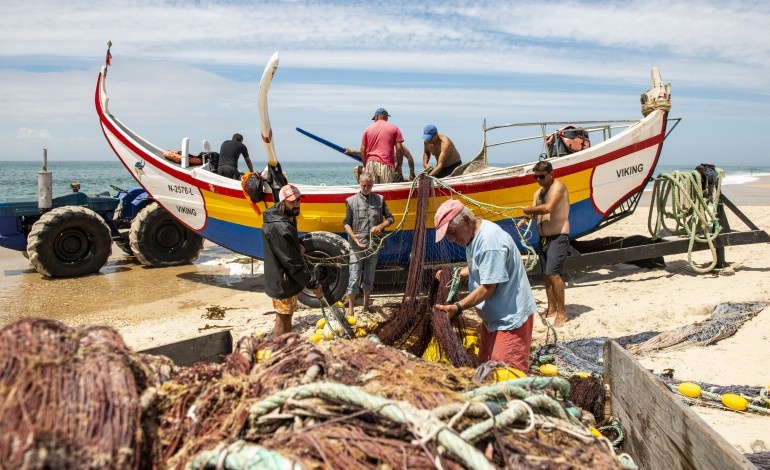
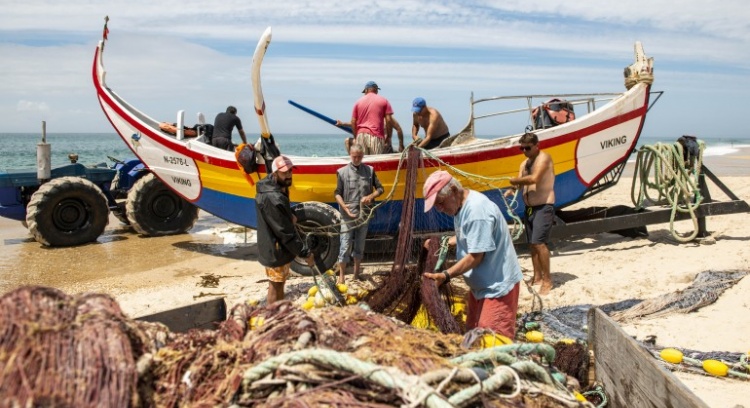
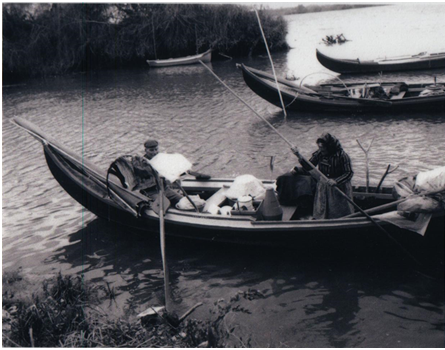
Vieira de Leiria is a unique territory. Nestled against the Leiria Pine Forest, bathed by the Lis River and open to the Atlantic, this town preserves vivid memories of trades, knowledge, and ways of being in the world that time has progressively erased. The Xávega Art — artisanal seine fishing, with nets pulled ashore by tractors and, in the past, by oxen — and the Avieira Culture — resulting from the diaspora of Vieira fishermen who migrated to the banks of the Tagus River in search of sustenance — constitute two of the strongest cultural, historical, and human heritages of this community.

Storm Kristin caused severe damage to the outdoor areas of the José Loureiro Botas Secondary School, headquarters of the Vieira de Leiria School Group (AEVL). Faced with the destruction, the group was forced to profoundly rethink these spaces. From this need emerged a transformative vision: instead of rebuilding what existed, to create something truly new, innovative and deeply rooted in the territory's identity. The intention is that this new space will consciously and pedagogically integrate current environmental concerns, such as rising sea levels, plastic pollution in coastal areas, and the impacts of climate change.
The Educational Glamping project — The Art of Xávega Fishing and the Avieira Culture — proposes the creation of an immersive outdoor educational space, inspired by the temporary, sustainable, and organic structures of contemporary glamping. In this space, the cultural and maritime theme of Vieira de Leiria serves as the guiding thread for the pedagogical work. It is not a traditional classroom, but a true living laboratory where children and young people learn from the territory through experimentation, direct contact with local history, and an active relationship with nature.

The central concept of the project is based on the analogy between the process of Arte Xávega — casting the net into the sea, working as a team, waiting patiently and reaping the rewards of collective effort — and the contemporary educational process: exploring, collaborating, making mistakes, reflecting and building meaningful knowledge. This pedagogical approach facilitates the understanding of a tradition deeply linked to local identity, transforming it into a living, transmissible and potentially exportable educational model — from Vieira de Leiria to students all over the world.

The proposed intervention is aligned with the following Sustainable Development Goals (SDGs), adjusted to the project context:

SDG 4 — Quality Education

Promoting innovative, stimulating, inclusive, and experience-centered learning environments.

SDG 10 — Reduced Inequalities

Guaranteeing equitable access to rich and meaningful educational experiences for all students.

SDG 11 — Sustainable Cities and Communities

Creating sustainable and accessible cultural spaces within the school community, valuing local cultural and natural heritage.

SDG 17 — Partnerships for the Goals

Strengthening collaboration between schools, families, local authorities, the local community, and national and international partners.

About the author

a { text-decoration: none; color: #464feb; } tr th, tr td { border: 1px solid #e6e6e6; } tr th { background-color: #f5f5f5; }

The Vieira de Leiria School Group (AEVL) is a public educational institution that covers the entire parish of Vieira de Leiria, also welcoming students from neighboring areas such as Carvide, Monte Real, and Monte Redondo. Located in a territory strongly marked by its proximity to the Atlantic Ocean, coastal dunes, the Lis River, and the Leiria National Forest, the group benefits from a solid cultural and community identity, based on the appreciation of natural resources, local heritage, and educational inclusion. This location simultaneously implies an increased responsibility in the formation of citizens aware of current environmental challenges, such as rising sea levels, coastal erosion, plastic pollution on beaches, and the effects of global warming.

The AEVL integrates all levels of education, from pre-school to secondary education, ensuring complete, articulated and coherent educational pathways. It consists of several educational establishments, including the José Loureiro Botas Secondary School, the group's headquarters, all covered by the External Evaluation of Schools.

The AEVL's educational vision is innovative and student-centered, promoting academic, personal, social, and environmental development through collaborative pedagogical practices involving teachers, families, and local partners. The most recent external evaluation awarded the school group a rating of "Very Good" in the areas of Self-Assessment and Leadership and Management, and "Good" in Results, highlighting the quality of its educational practices, management, and organizational culture.

The group also distinguishes itself through its consistent commitment to structuring projects in the areas of literacy, sustainability and active citizenship, highlighting the Eco-Schools Program, the Blue School Project, the Erasmus+ Projects and the continuous promotion of clubs, reading projects and extracurricular activities, which reinforce the cultural, scientific and environmental identity of AEVL.

Located in a territory of exceptional cultural and natural richness — marked by the Leiria Pine Forest, the Lis River, the Atlantic coast, the tradition of Xávega fishing and the memory of the Avieira culture — the AEVL (Area of Educational Development of Leiria) establishes itself as a privileged context for the development of educational projects rooted in the local area, with community impact and global reach, capable of preparing students for the social and environmental challenges of the 21st century.

Budget and due dates

The estimated overall budget for the implementation of Educational Glamping is €35,000, distributed across the following categories:

Step

Description

Value

1

Consulting, architectural design and technical project.

2,500 euros

2

Construction and installation of glamping structures.

18,000 euros

3

Furniture, equipment and teaching resources

6,500 euros

4

Technology (tablets, solar projector, weather station)

4,000 euros

5

Signage, murals and art materials

1,500 euros

6

Training, animation and capacity building (1st year)

1,500 euros

7

Monitoring and maintenance (2 years)

1,000 euros


ESTIMATED TOTAL

35,000 euros

Project Scheduling (PLL Format)

Stage / Phase

Main Activities

Execution Period

Expected Results

1. Planning and Design

Specialized consulting; architectural design; technical project; definition of the pedagogical and environmental model.

Month 1 – Month 2

Technical project approved; educational and environmental plan defined.

2. Construction and Installation

Site preparation; construction of glamping structures; installation of sustainable and affordable solutions.

Month 3 – Month 5

Educational glamping space, constructed and functional.

3. Educational Equipment

Acquisition and installation of flexible furniture, teaching materials and educational resources.

Month 5 – Month 6

A space equipped and prepared for educational activities.

4. Educational Technology

Acquisition of tablets; installation of a solar projector and weather station.

Month 5 – Month 6

Operational technological tools for environmental and scientific literacy

5. Visual Identity and Communication

Creation of interpretive signage; collaborative art mural; visual materials.

Month 7

A space that identifies, communicates, and integrates local culture.

6. Pedagogical Activation

Teacher training; pilot activities with students; educational and community outreach.

Month 8 – Month 12

Integrated space

Tue, 12/05/2026 - 02:19

Campaign launched

07/05/2026

0 members of the PPL community
support this campaign

  • 0
    new backers

  • 0
    recurrent backers

  • 0
    anonymous backers

Meet the people helping this dream come true