
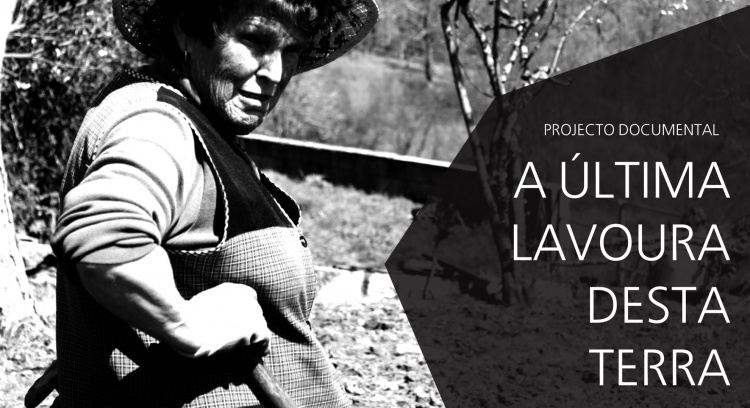
A "última lavoura desta terra” is a web-series that is originally scheduled to have 10 episodes of a maximum of 15 minutes each.
“A última lavoura desta terra” came to be almost unexpectedly. The first time anything was shot as a part of this project was in 2009, long before anyone had ever thought of it. Only in 2012 did the project begin to gain shape. I know the location, the people and their stories and tales well. I knew where to begin with if I had to. And so it was.
At first, I considered making a short-film that explored some of the place's characteristics. Then came the idea of showing what most worries those who live there: the emptiness, the abandonment of the land. Mascosêlo, the name of the place where this project takes place, has little over 20 villagers, all of them over 50 years of age.
But from the ambicious story and the success generated around the short, I decided to go even further and invest on a webseries about the place where the documentary takes place. The project has an almost ethnographical nature and intends to show to Portugal the reality of a small northeastern village, where only little over 20 villagers remain. It is on this village and its stories that the webseries will focus.
It is a detailed and careful work, for it delves into the most intimate of each villager's stories. The traditions, the habits, the customs, the hardships of a people who only glimpse the city a few days a year. The stories of a forgotten land amid the crested hills of Marão.
A webseries is initially intended for 10 episodes with 15 minutes of maximum lenght each. It is estimated that a total budget of 860 euros will be needed for completing the project, taking into account travel expenses, necessary material, and marketing cost.
The series will be distributed by online channels, both those related to the project and those of associated entities, such as the Vila Velha Museum.


