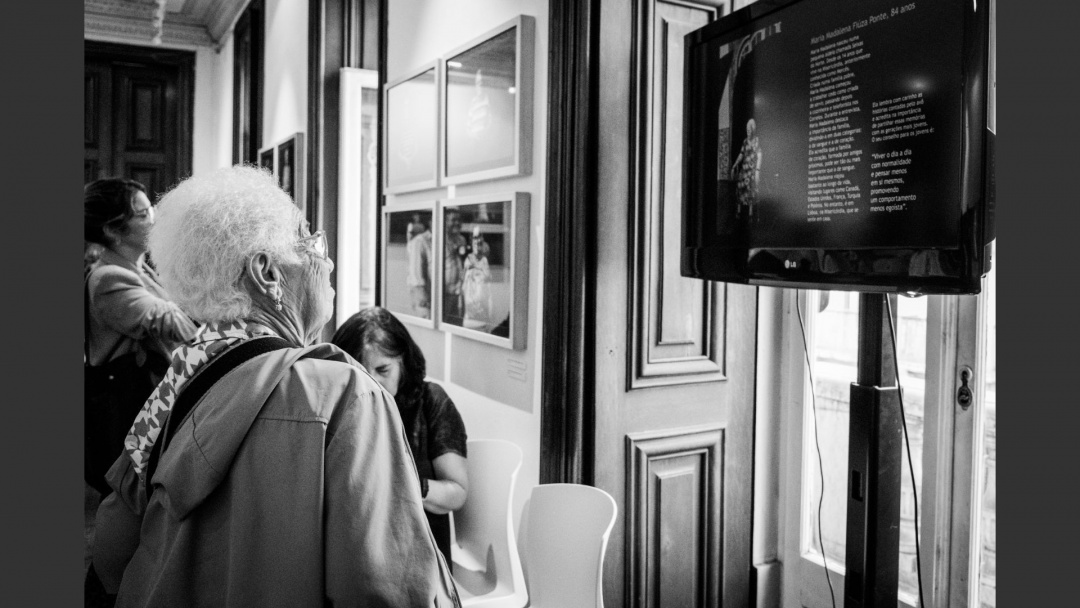
A participatory photography project in Caldas da Rainha that preserves memories through portraiture, creating a living archive of stories, identity, and territory.
There are stories that disappear without ever having been recorded.
Memories that live only in those who keep them.
The IMPORTA project was born out of the need to preserve these stories before they are lost.
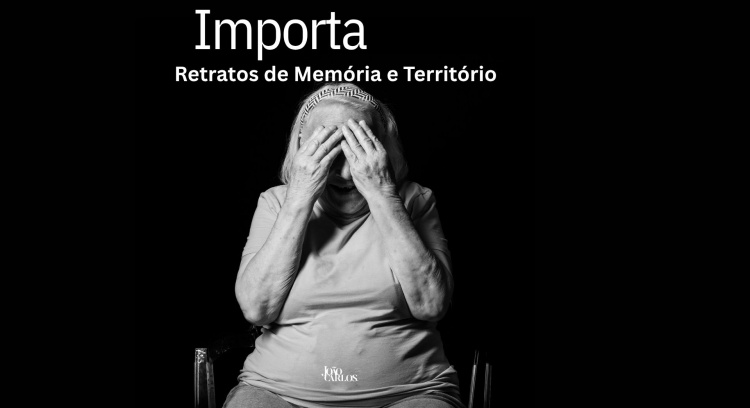
Developed within the framework of F/262 – International Photography Festival, IMPORTA is a participatory photography project that explores the relationship between memory, territory and identity, through portraiture and direct engagement with communities.
This campaign supports the first phase of the project in Caldas da Rainha, with intervention in:
- União das Freguesias de Caldas da Rainha — Nossa Senhora do Pópulo, Coto e São Gregório
- Nadadouro
- Foz do Arelho
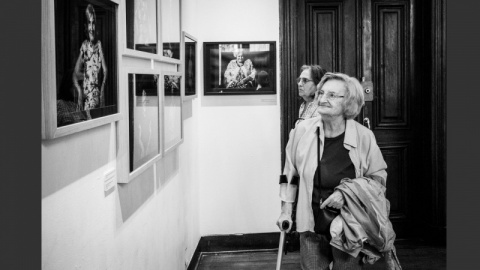
In this stage , we will work with people from these communities, with a special focus on the older generations, creating portraits and collecting stories that reflect the identity and memory of the territory.
Each portrait will be part of a living archive, where the individual and the collective intersect, contributing to the construction of a shared memory.
Support for this campaign is essential to making this project possible.
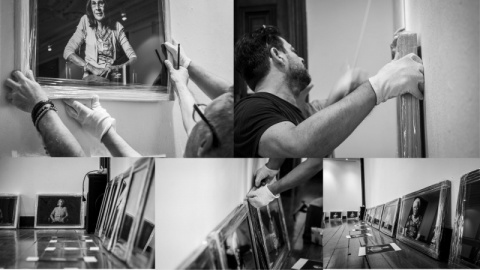
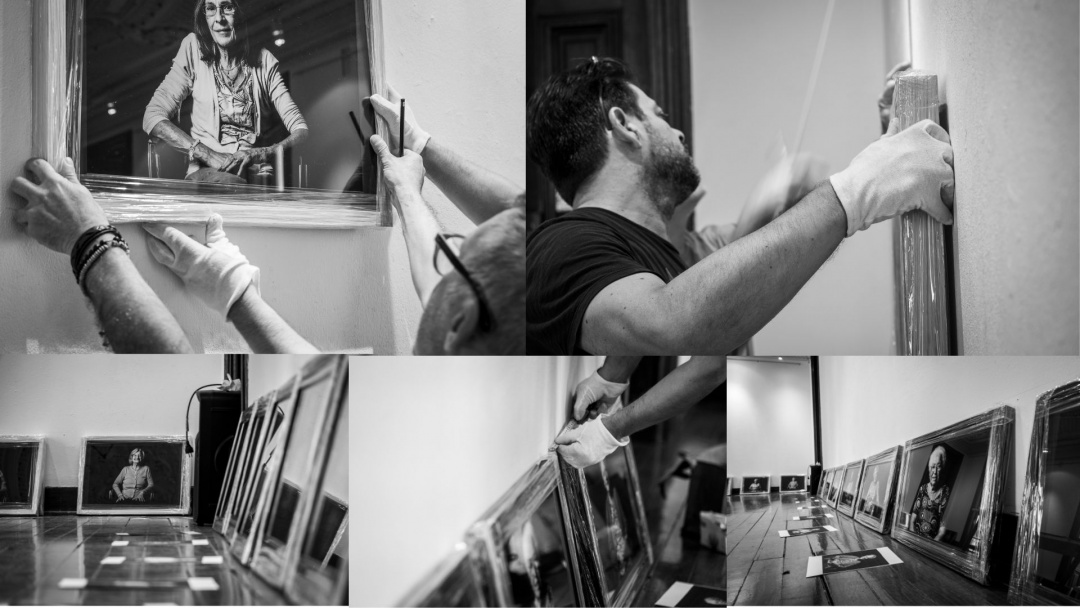
This will ensure the creation of the Micro Museum (mobile museum), as well as the production of exhibitions, editorial content, and the implementation of the project in the territory.
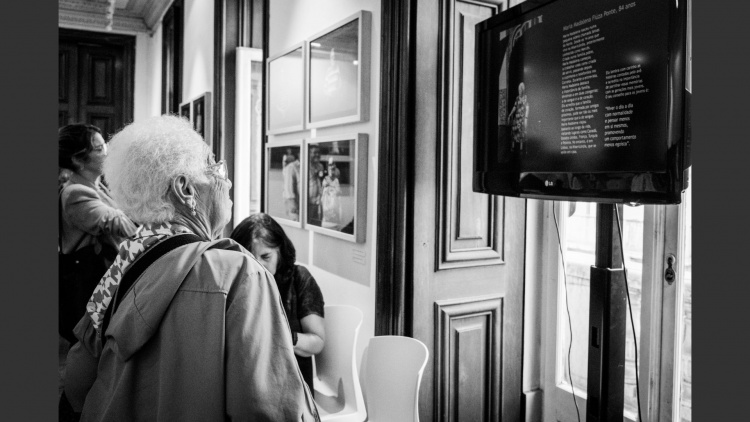
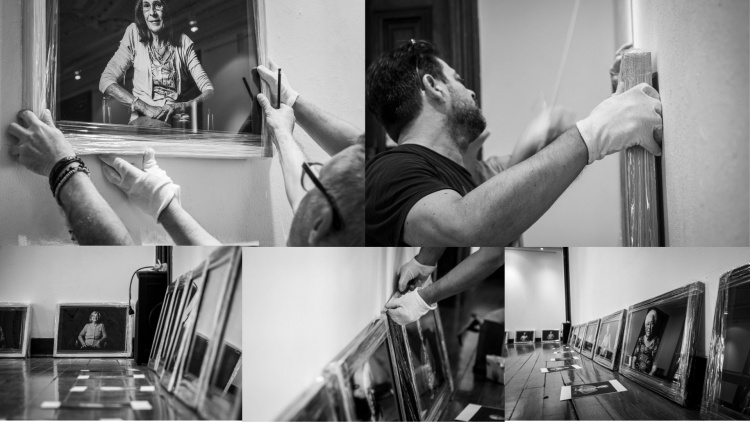
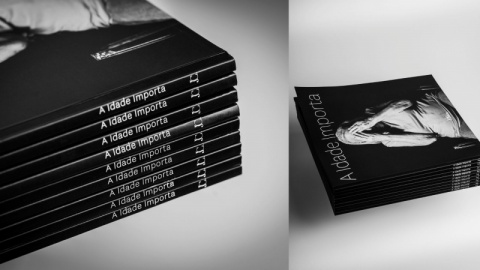
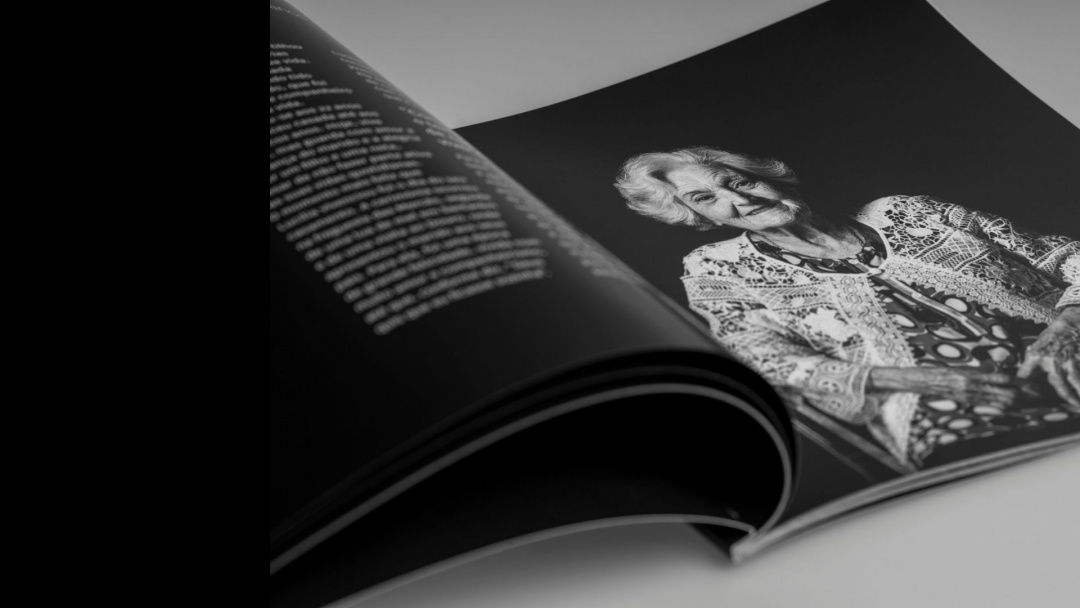
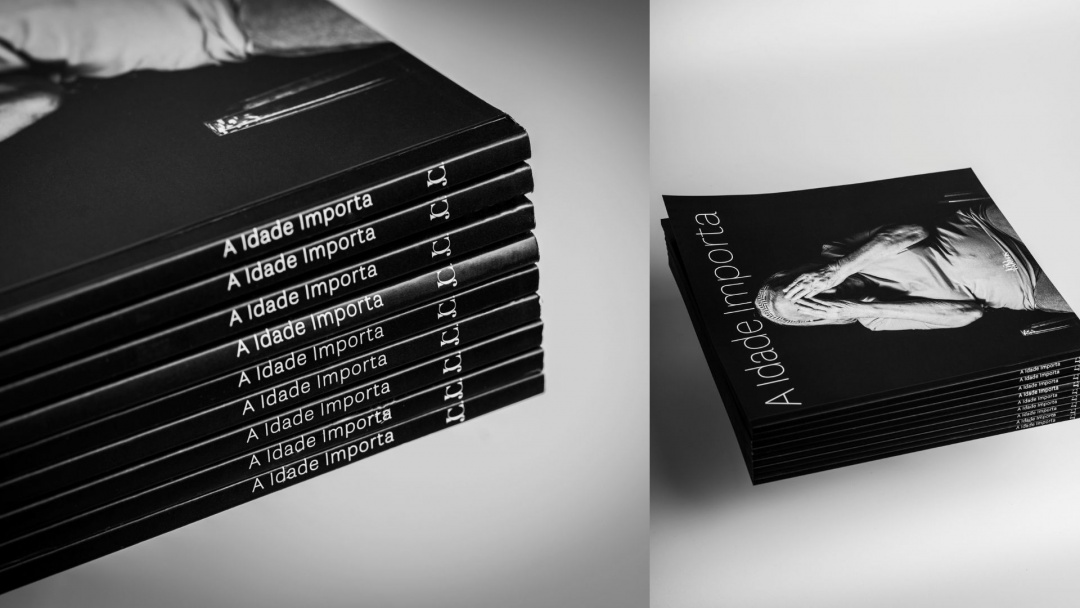
This is just the beginning of a larger project, which aims to expand to other parishes and develop editorial and exhibition formats, including publications and public presentations.
One of the central elements of this phase is the creation of a Micro Museum — a mobile museum that will allow the project to be taken directly to the communities.
By supporting IMPORTA, you are helping to preserve stories that could disappear and giving visibility to people who are rarely represented.
You are also helping to bring this project directly to the communities, creating access where it often does not exist.
Each portrait is a presence.
Every presence builds memory.
Join this project and help us ensure that these stories don't disappear.
About the author
I'm João Carlos, photographer and director of F/262 – International Photography Festival.
Throughout my career, I have developed projects that intersect photography, identity, and social impact, always with a strong focus on people and their stories.
The IMPORTA project stems from a very simple yet profound concern: the awareness that many stories disappear without ever being recorded. People who lived entire lives, with experiences, memories, and knowledge, but who are rarely seen or heard.
For me, photography is a form of recognition. A way of saying "you matter".
This project didn't emerge from scratch. It's a continuation of a journey that has already included exhibitions, publications, and institutional collaborations, including publishing projects and work with communities.
Together with the F/SOS Association – Photography, Solidarity and Social Works , we develop initiatives that use photography as a tool for memory, inclusion and connection between people.
IMPORTA represents this commitment: working directly with communities, creating meaningful portraits, and preserving what cannot be lost.
More than an artistic project, it's a human project.
And it only makes sense if it's done with people — and for people.

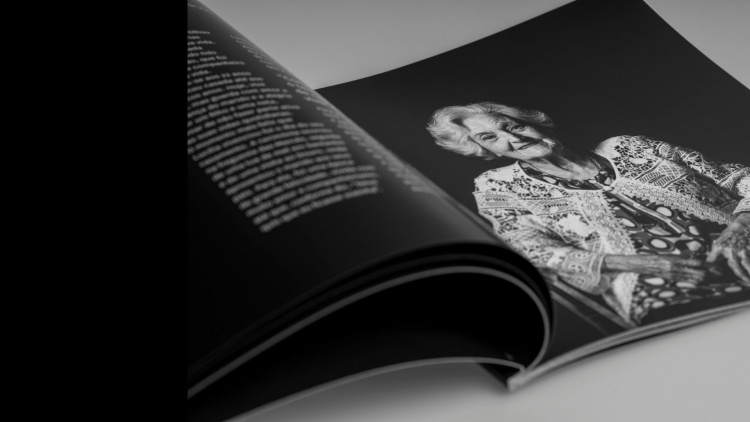
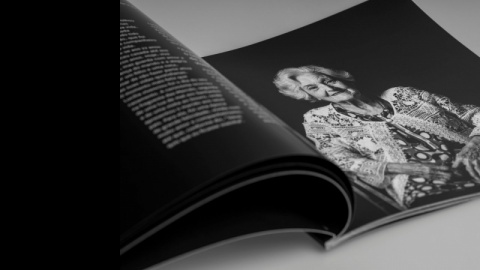
detalhe do livro
Budget and due dates
The funds raised through this campaign will be primarily used for the creation of the Micro Museum (mobile museum) and the physical production of the project.
The photography and editing will be handled directly by the author, as a contribution to making the project viable.
Creation of the Micro Museum (vehicle + adaptation) – €6,000
Production and printing of exhibitions – €3,200
Editorial production (catalogs / publications) – €2,500
Technical equipment (including VR base) – €1,000
Design and content development – €1,200
Logistics and travel – €1,362
Total: €15,262
May – Preparation and development of the Micro Museum
Acquisition of the vehicle, adaptation and planning of the project with the communities.
June and July – Photographic production and implementation in the territory
Sessions will be held in the parishes and local presentations will begin.
July and August – Editing, editorial production and printing
Image processing, content development, and physical production.
September – Presentation on F/262
Integration of results within the context of the festival and activation of the project.
Images
Documents